
 back to list

Most European rollout plans file Slovakia under “later.” Launch Germany, add France, maybe Poland or Italy, then let a pan-EU warehouse cover Slovakia once everything else hums. On a spreadsheet the logic looks fine: five and a half million people, a modest headline number, a market sitting in someone else’s shadow. The logic also misses the point.
Slovak ecommerce closed 2024 at €1.84 billion in measured turnover, recovering toward its 2021 peak rather than sprinting past it. Online shopping reaches roughly four in five internet users, smartphones already drive the majority of online activity, and Alza anchors the country’s largest ecommerce ecosystem: marketplace, same-day promise, and AlzaBox locker grid. The country also sits where it matters: a landlocked hinge between Austria, Czechia, Hungary, Poland, and Ukraine, planted on the motorway spine that feeds half of Central Europe.
This guide is the practical view for any brand weighing a 2026 entry into the Slovak ecommerce market: the size, who really buys, the payments to design for, and the logistics that quietly decide whether a cross-border launch clears margin or eats it.

Sizing the Slovak Ecommerce Market for 2026
How big is the Slovak ecommerce market, really?
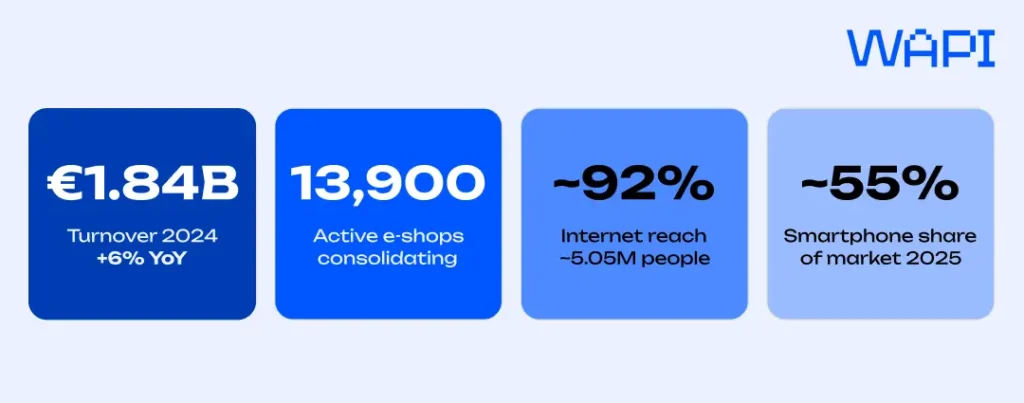
This is where sources part ways, and the gap changes your planning numbers. Anchor on Heureka. The price-comparison group aggregates real e-shop transactions, publishes the figure Slovak trade press quotes, and tracks the market quarter by quarter. Heureka put 2024 at €1.84 billion in total turnover, up about 6% year on year, with a stronger 7% lift in the final quarter. Read that number with one eye on history: it ranks second in the country’s record, still short of the €2.08 billion pandemic peak set in 2021.
That framing matters. A brand that reads “€1.84 billion and growing” and pictures a runaway market will misjudge the entry. Slovak ecommerce is climbing back rather than breaking out, against real headwinds covered below, so plan for momentum that is broad and steady, not explosive.
| Source | Headline figure | What it measures | Best used for |
| Heureka / ARMO-style local data | €1.84B (2024) | Measured Slovak e-shop turnover, goods + services | The figure local press anchors on |
| Mordor Intelligence | ~$2.56B (2025) | B2C + B2B ecommerce value | Forward-looking B2C/B2B planning |
| ECDB / Statista | ~$1.9–2.1B | B2C physical-goods net sales | Retail-only benchmarking |
The methodologies count different things, so the absolute values never line up. They agree on direction. For a seller shipping physical goods to Slovak doorsteps, the Heureka turnover figure is the one to plan against, not the broadest research-house estimate that folds in B2B and services.
Slovak ecommerce statistics: pace and European context
Slovakia is a recovery-plus-consolidation story, not a breakneck-growth one. Active e-shops fell to roughly 13,900 as the post-pandemic correction shook out weaker players and acquisitions concentrated the field. Then two policy punches landed in 2025: the standard VAT rate climbed three points to 23%, and a new financial-transaction tax arrived in April. Heureka’s own leadership expects that squeeze to drive more consolidation through 2026.
Set against the region, Slovakia rides a strong current from a smaller base. Eastern Europe grew B2C turnover about 18% in 2024 and Central Europe roughly 8%, both ahead of the 6–7% European average. Slovakia trails Poland and Czechia in absolute size but moves with them on momentum. Online still accounts for only about 10–11% of total Slovak retail, and that low share is the runway, not the ceiling.
Key Point: The slowdown here is policy and maturity, not lost appetite. Slovakia is shifting from “people try online” to “people default to online,” and that is exactly the phase where locker coverage, payment fit, and fulfillment quality start deciding who wins.
Who Actually Buys Online in Slovakia?
A connected base of five million
The internet reaches about 91.8% of the population, near 5.05 million people, across 6.2 million mobile connections. Fixed broadband and fiber cover the cities, and 5G now reaches roughly three-quarters of the population, so infrastructure is no longer the brake on online shopping it once was. Roughly 80% of internet users shop online, putting the active base around 3.1 million online shoppers.
The demographic story has moved. About 42% of online buyers fall in the 25–34 bracket, women out-shop men by a wide margin in repeat surveys, and most of the recent net growth comes from older shoppers and rural households rather than the under-25s who crossed the line years ago. Those are precisely the groups that cheap mobile data and automated pickup points pulled into purchasing online.
Bratislava first, then the corridor, then the villages
Order density concentrates in the west. Bratislava and its surrounding region generate a disproportionate share of both supply and demand: most merchants, payment providers, and logistics hubs cluster there, and a large slice of parcels lands there too. Trnava, Nitra, Žilina, and Košice form the second tier and behave like the capital on conversion and delivery time. Beyond the cities the map stretches, since about 46% of Slovaks live in rural areas. Longer last-mile times follow, and the practical fix has been automated pickup points rather than costly repeat doorstep attempts.
Key Features of the Slovak Ecommerce Market
Mobile owns the basket
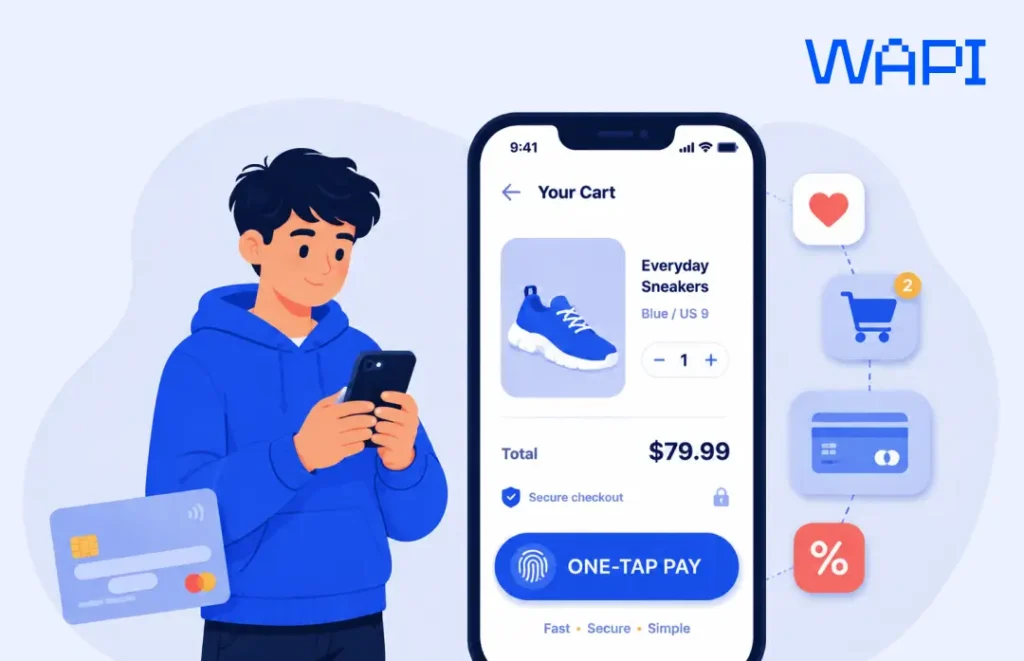
Smartphones already drive the majority of Slovak ecommerce activity. Mordor puts the smartphone share at 55.3% of market size in 2025, and the International Trade Administration notes that mobile purchasing is now common enough to make a mobile-first storefront a practical requirement, not a nice-to-have. A checkout that needs a desktop or two thumbs of typing leaks conversion here, so one-tap payment, biometric login, and a basket that survives a single-handed scroll are the floor. Leading Slovak online stores lean on mobile-first pages, fast checkout flows, and recommendation and search tools to close the gap with the laggards. Discovery now spreads across multiple social media channels, with social advertising spend approaching $196 million in 2025, so the storefront is only one piece of the funnel.
A Czech twin and a home-team champion
Two features surprise sellers who only know Western Europe. First, Slovak shoppers buy across borders readily, reaching for Czech, German, and Chinese e-shops, yet many local companies still lag in selling cross-border themselves, a gap the International Trade Administration has flagged for years. The buying habit is mature; the exporting habit is not. Second, the value concentrates around a domestic ecosystem. Alza dominates the way eMAG dominates Romania, running the marketplace, a same-day delivery promise, and the AlzaBox locker grid in one stack. Allegro arrived in force, launching allegro.sk in early 2024 after absorbing the Mall group, while Notino owns beauty across the region. Slovak and Czech shoppers also read each other’s language comfortably, so a Czech-language store can serve Slovak customers when a full localization is not yet ready.
Where Slovak customers spend
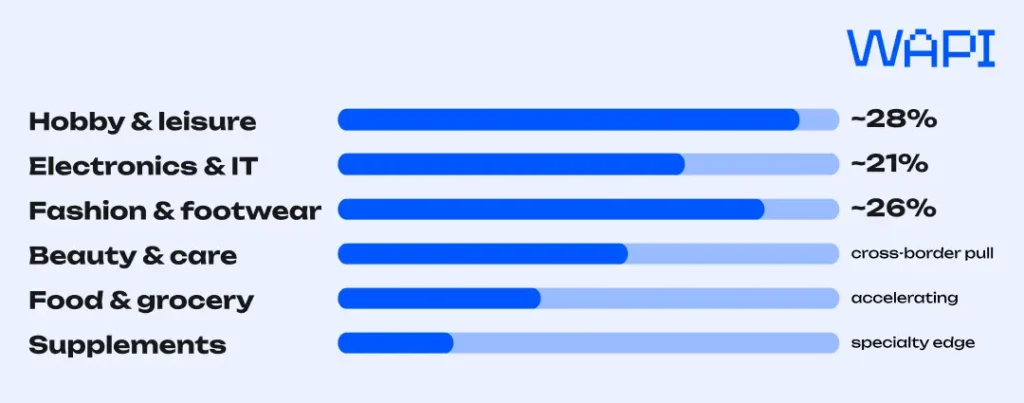
The category map is familiar but with local accents, and rankings shift with methodology: Heureka leads with electronics at ~21% of turnover, ECDB with hobby and leisure near 28%, Mordor with fashion at ~26%. The broad picture:
- Consumer electronics and IT: the historical engine, owned by Alza, Nay, and Datart, with high order values and heavy warranty and returns handling.
- Fashion and footwear: close to the top at roughly a quarter of online value, anchored by Zalando, About You, H&M, and eobuv, with return rates that make a local address non-negotiable.
- Hobby, leisure, and sporting goods: a fast growing segment that leads on some definitions, fed by impulse purchases and seasonal spikes.
- Beauty and personal care: strong cross-border pull led by Notino, Dr. Max, and Pilulka.
- Food and grocery: slower but accelerating through quick-commerce and dark-store fulfillment from Tesco, COOP Jednota, and Wolt.
- Supplements and specialized consumer goods: smaller, but the place where handling beats price, where batch and expiry traceability turn into a moat past a few hundred parcels a week. That is where category-specific supplement fulfillment stops being overhead and starts being an edge.
What Slovak Shoppers Expect at Checkout
Slovak buyers are pragmatic. They do not want theatrical promises; they want proof the box will arrive as the photo showed. Surveys of what drives store choice put free delivery on top, followed by clear product descriptions, the option to pay on delivery, and free returns. Hidden costs that surface on the final screen kill conversion the same way they do everywhere, and cart abandonment already sits near 75–76%.
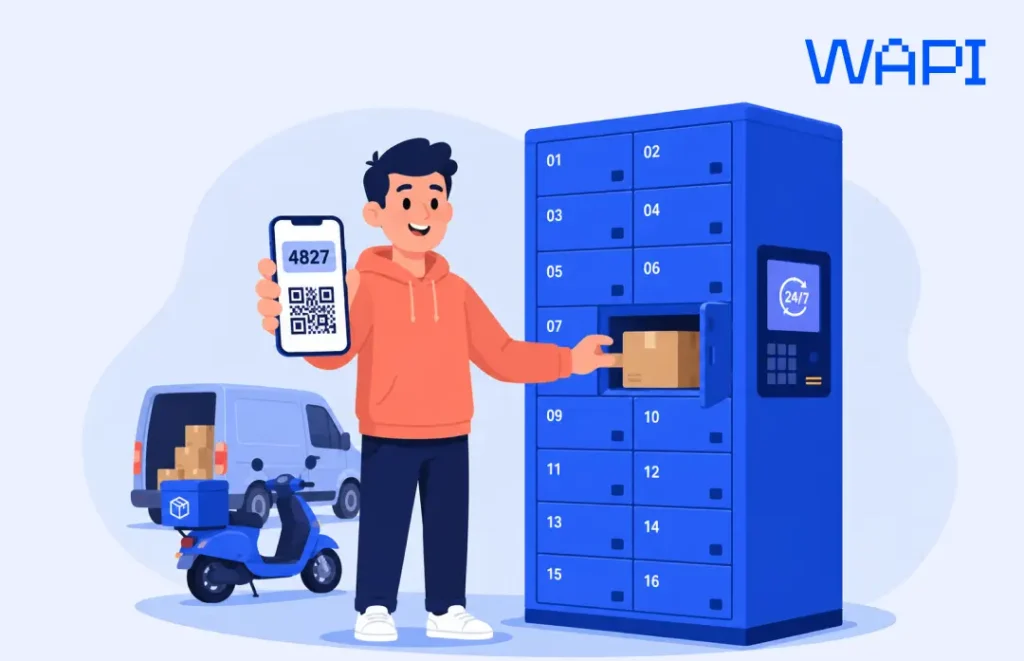
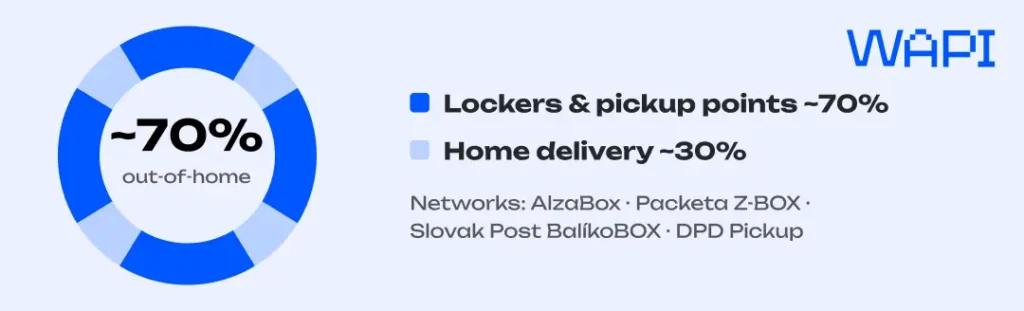
Out-of-home delivery moved from niche to default faster here than almost anywhere, and lockers led the shift. Recent barometer data puts around 70% of regular shoppers on pickup points and self-service lockers. The networks worth integrating at checkout:
- AlzaBox: over 1,000 lockers nationwide and more than 1.4 million customers ordering to them, open 24/7, free for AlzaPlus+ members and wired straight into the country’s biggest marketplace.
- Packeta Z-BOX: the widest self-service box network in Slovakia, solar-powered and available around the clock, with strong reach into smaller towns.
- Slovak Post BalíkoBOX: the national operator’s locker arm, useful for the most rural addresses and personal collection.
- DPD Pickup: close to 3,690 pickup points, expanded by sharing capacity across Z-BOX, AlzaBox, and BalíkoBOX rather than duplicating hardware.
- Same-day in major hubs: available in Bratislava, Košice, and other large cities through Alza and quick-commerce players.
Our advice: Don’t try to win the basket by burying the shipping cost or over-promising same-day across the whole country. Slovak shoppers want the delivery option they already trust, increasingly a locker near home or work, and they want the price honest from the first screen. A reliable final-mile delivery partner that hits its tracking events beats an aggressive cutoff that occasionally slips. Predictability wins repeat customers; heroics win one order and a support ticket.
Returns are the quieter margin question. Fashion and beauty rates run high enough that, without a local return address, you either absorb the inbound shipping or push it onto the customer and lose the sale. A domestic returns flow is the line between a viable Slovak P&L and a leaky one.
How Slovak Customers Pay Online
Read the Slovak payment mix as a set of source-dependent signals rather than a clean split. Different studies count orders, value, and stated preference, which is where they diverge most.
| Method | Approx. share / signal | Notable players | Trend |
| Credit and debit cards | ~40.3% of market value (Mordor) | Visa, Mastercard | Leading, slowly declining |
| Cash on delivery | #1 by merchant availability (ECDB); ~1/3 of orders | Packeta, DPD, GLS, SPS, Slovak Post | Declining slowly |
| Digital wallets | growing fast | PayPal, Apple Pay, Google Pay | Strong growth |
| Bank transfer / A2A | meaningful, higher-ticket | SEPA, bank gateways, BLIK | Growing |
| BNPL / installments | small, fast-growing | TBI Bank, bank installments | Strong growth |
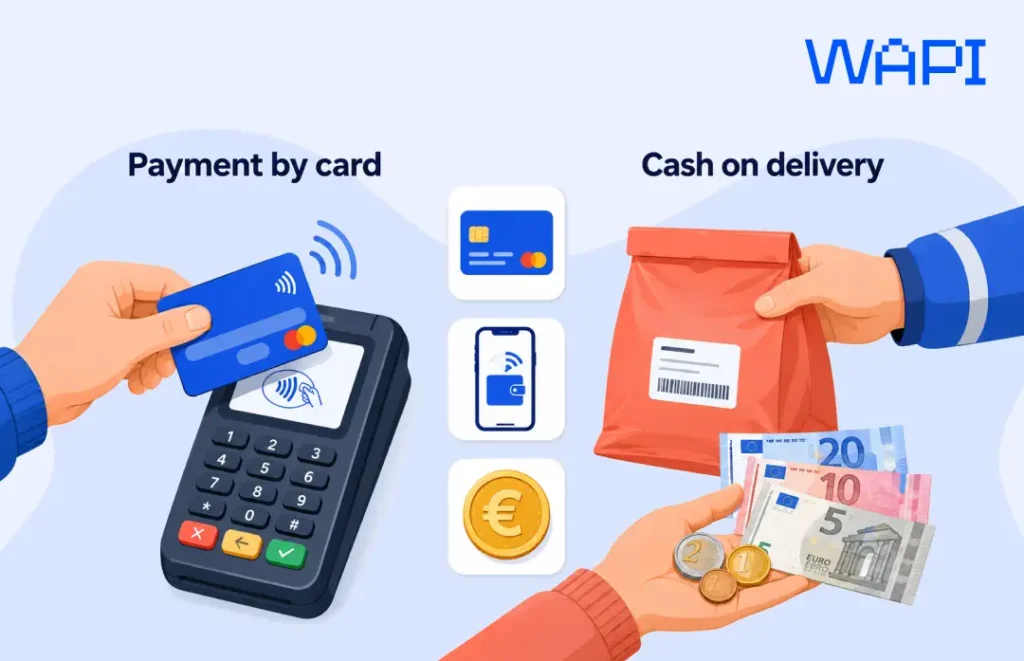
The mix depends heavily on what each source measures. By market value, cards lead: Mordor estimates credit and debit cards at 40.3% of Slovakia ecommerce market size in 2025, the trait that separates Slovak consumers from their pay-on-delivery-heavy Czech neighbors. By merchant availability, cash on delivery stays unusually visible, ranking as the top payment-provider signal in ECDB’s read of the market, and it is sliding gently rather than collapsing. The picture shifts again inside COD-heavy cross-border traffic, where pay-on-delivery is offered as the default and its share can run far above the general-market average, close to the ~70% seen in neighbouring Czechia. That is the segment most cross-border sellers and their fulfillment partners actually operate in. The fastest-climbing rails are digital wallets and BLIK; BLIK is still early in Slovakia, but it matters because it gives the country a Polish-style instant-payment rail through Tatra banka’s VIAMO and PayU merchants.
Insight: Treat cash on delivery as a conversion lever you manage down, not a habit you fight. It still lifts conversion with cautious, rural, and older buyers, but it locks inventory in transit and raises the cost of refusals. Offer it, pair it with thresholds on high-value baskets and small nudges toward card or wallet, and lean on a logistics partner that handles cash on delivery end to end, with clean collection, reconciliation, and signals on failed or refused deliveries. The same setup carries across the rest of Central and Eastern Europe, where cash on delivery is still a leading payment method.
The Logistics Reality on the Ground
Slovakia’s geography is the product. The D1 and D2 motorways and the TEN-T Rhine-Danube corridor funnel goods between Western markets and the Balkans, and the Bratislava-Trnava zone carries a logistics density unmatched in the region, handling a reported 68% of national parcel volume. The country has sat inside Schengen and used the euro for years, so customs friction on intra-EU flows is minimal and pricing comparisons against Austrian and Czech rivals are direct. The cross-border math still flips toward local inventory once volume is real: shipping in from a distant German or Polish warehouse stacks transit time and handling onto every order, eroding the very margin that justified going cross-border. A local Slovak warehouse collapses that overhead, which is the whole reason the math later in this guide tilts the way it does.
The locker effect and a consolidating courier map
The locker boom reshaped Slovak delivery faster than anyone forecast. AlzaBox, Packeta Z-BOX, BalíkoBOX, and the DPD pickup network now cover the suburbs of every metro and most secondary towns, and shoppers stopped treating a locker as a downgrade years ago. Courier services increasingly share locker capacity instead of duplicating it, so a single carrier can now drop a parcel into a rival’s box. For sellers, the direction is clear: fewer but deeper carrier integrations, with even more gravity around the dominant locker networks. Plugging into the leading lockers at checkout reliably lifts completed orders and trims redelivery costs.
What to Have in Place Before You Ship to Slovakia
Before launching or scaling into the Slovak ecommerce market, line up these five blocks:
- Carrier mix: at least one home-delivery courier plus locker integration via AlzaBox, Packeta Z-BOX, DPD, and SPS. Single-carrier setups underperform, and lockers are where demand is moving.
- Payment setup: cards and digital wallets as the backbone, cash on delivery for the cautious and rural segments, and BLIK or bank transfer for the buyers who prefer them. A COD operation you can reconcile cleanly matters as much as the checkout screen itself.
- Returns setup: a local or regional return address, fast inspection, and inventory recirculation. Without it, fashion and beauty break above modest volumes.
- Compliance: the 23% Slovak VAT rate, OSS handling for EU sellers, the upcoming domestic B2B e-invoicing and e-reporting rules from 2027 where applicable, and Slovak or Czech-language product and label checks, plus batch traceability for supplements and cosmetics.
- Category specifics: fashion returns workflows, cosmetics handling with batch tracking and restricted-shipping rules, supplement documentation for the competent Slovak authority, and serial-number tracking for electronics.
Skip these and the failure mode is predictable: returns pile up at a foreign warehouse, conversion slides on a checkout missing the locals’ preferred options, and support tickets stack up over delivery transparency. None of it shows up in a market-sizing report, which is exactly why it ambushes teams six months in.
Entering the Slovak Market Without Burning Margin
Local or regional fulfillment beats distant pan-EU
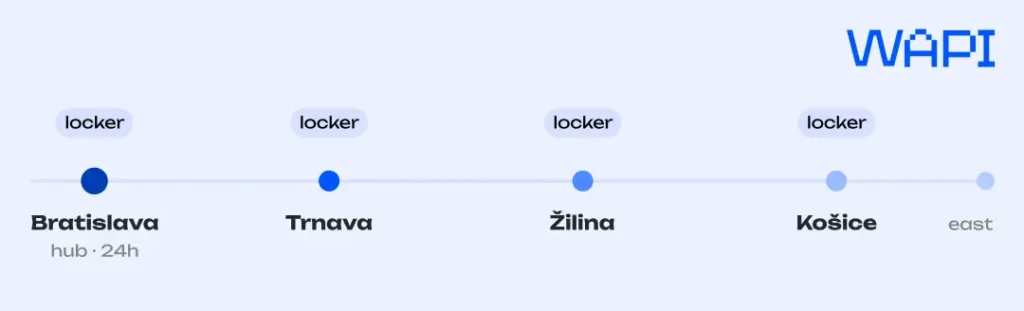
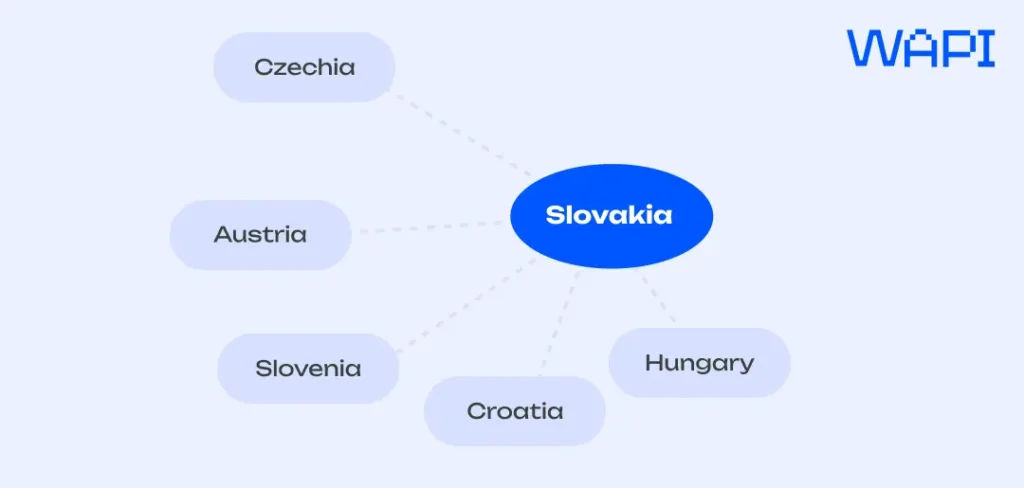
For a low-volume test, a German, Polish, or Czech warehouse handles Slovakia fine. Past a few hundred parcels a week, the math tilts toward a dedicated warehouse in Slovakia: faster delivery, lower last-mile cost, a domestic returns address, and clean cash-on-delivery collection that a remote setup cannot match. Stock held near Bratislava ships domestically inside 24 hours and reaches Austria, Czechia, Hungary, Slovenia, and Croatia cross-border on one contract and one integration, which is why a Slovak hub can serve several COD markets at once instead of one. The arithmetic is blunt. A €3 saving per parcel on 500 parcels a week is roughly €78,000 a year, enough to fund the local switch and still come out ahead. The question for most cross-border brands is not whether to set up ecommerce fulfillment in Slovakia, but when.
Five signs it’s time to move inventory into Slovakia:
- Slovak order volume holds at 300+ parcels per week for two consecutive months.
- Return rate clears 25%, especially in fashion or beauty.
- Support tickets spike on transit-time and tracking complaints.
- Paid-acquisition efficiency drops because conversion is bottlenecked on the delivery and payment promise.
- COD reconciliation and refused-delivery costs from a remote setup start visibly eroding margin per order.
Localize past translation, layer marketplaces with DTC
Slovak-language product pages (or Czech, where the audience accepts it), euro pricing with VAT shown, and cash on delivery and lockers as first-class options are table stakes. Real localization means pacing your delivery promise against Alza, not against your home market. A translated template on top of an English store does not count as a market entry.
Alza, Allegro, Mall, Heureka for price comparison, and Notino dominate Slovak online traffic, so the resilient play layers them on top of a localized store. Sell through the marketplaces for discovery and trust, and run your own DTC site for margin and customer data. Marketplace-only exposure leaves you at the mercy of fee and algorithm shifts; DTC-only means slow, expensive acquisition where the marketplaces hold the audience. The hybrid model is the safer bet, and it doubles as a launchpad: a Slovak base reaches Austria, Hungary, Czechia, and Poland inside the same delivery windows.
Final Take: A Small Market With a Big Address
Slovak ecommerce will not top a size ranking. It does not need to. The market is recovering steadily, rides a regional tailwind that runs well ahead of Western Europe, has flipped to roughly 70% locker adoption, and revolves around a home-team ecosystem you work with rather than around. Its sharp edges, from the VAT hike to the Alza-shaped competitive map, are operator problems, not marketing problems.
Our advice: Treat Slovakia as a logistics-and-position play, not a translation exercise. The brands that win here in 2026 match their fulfillment, payment mix, locker coverage, and returns to the bar Alza set, and they use the country’s central address to serve the neighbors at the same time. Build for the market Slovakia is becoming, and the growth curve does the rest.
FAQ
How big is the Slovak ecommerce market?
Slovak ecommerce reached about €1.84 billion in total turnover in 2024, up roughly 6% year on year, the second-highest figure on record after the €2.08 billion pandemic peak in 2021 (Heureka). Online sales make up only around 10–11% of total Slovak retail, which leaves significant room to grow, and research houses model continued single-to-double-digit growth through the rest of the decade.
Is Slovakia a good market for cross-border ecommerce?
Yes, with a clear caveat. Online shopping is mature, internet penetration sits near 92%, and the country’s central position lets a single base reach Austria, Hungary, Czechia, and Poland. The catch is that domestic players, led by the Alza ecosystem, hold much of the value, and consumers expect lockers and the option to pay on delivery. Sellers who localize payments and logistics do well; sellers who treat Slovakia as a translated version of Germany struggle.
What is the most popular payment method in Slovakia?
Credit and debit cards lead by value at roughly 40–42%, which separates Slovak customers from their pay-on-delivery-heavy Czech neighbors. Cash on delivery still covers close to a third of orders and is sliding slowly, while digital wallets and the Polish BLIK method are the fastest-growing rails. A checkout for Slovakia should offer cards, a wallet, and cash on delivery at minimum.
Do Slovak shoppers prefer lockers or home delivery?
Both, but lockers grew explosively and are now a primary expectation, with around 70% of regular shoppers using pickup points and self-service lockers. AlzaBox runs more than 1,000 lockers, Packeta’s Z-BOX network is the widest box grid in the country, and Slovak Post’s BalíkoBOX adds rural reach. Offering locker delivery at checkout lifts completed orders and cuts redelivery costs.
Do I need a Slovak company to sell ecommerce in Slovakia?
Not for most cross-border setups. EU sellers can ship into Slovakia under the One-Stop Shop (OSS) VAT scheme from their home country, and non-EU sellers can use IOSS for consumer parcels under the low-value threshold. A local entity helps if you hire in Slovakia, open a local bank account, or run paid acquisition with Slovak billing, but it is rarely required upfront. Note the standard Slovak VAT rate rose to 23% in 2025, and upcoming domestic B2B e-invoicing and e-reporting rules are set to apply from 2027 for domestic transactions.
What are the biggest online stores in Slovakia?
Alza.sk is the dominant marketplace and e-shop, comparable to eMAG in Romania, and it owns the AlzaBox locker network and a same-day delivery promise. Allegro launched allegro.sk in 2024 after acquiring the Mall group, Notino leads beauty, Nay and Datart hold electronics and appliances, and Heureka is the leading price comparison platform. The leading platforms together account for around 40% of all Slovak online revenue.
Does WAPI have a warehouse in Slovakia, and how fast is delivery?
Yes. WAPI runs warehousing and fulfillment in Slovakia from facilities near Bratislava, in Senec and Bratislava, on the corridor that links Western markets with the rest of the region. Orders ship across Slovakia in as little as 24 hours, nationwide within 24 to 48 hours, and most EU destinations in 2 to 3 days. The Slovak hub also opens fast, cost-efficient cross-border reach into Austria, Czechia, Hungary, Slovenia, Croatia, Germany, and Poland on one contract and one integration, which makes it the widest-reaching base in the network for serving the broader CEE region from a single location.
Does WAPI offer cash on delivery in Slovakia?
Yes. Cash on delivery is one of WAPI’s core services, which fits Slovakia well given how much of the market still pays at the door. WAPI runs COD end to end through local couriers DPD, GLS, and Slovak Parcel Service: the courier collects cash on delivery, WAPI settles it from the courier in 3 to 5 days, and the seller receives a weekly net payout in EUR. On disciplined COD traffic the Slovak operation holds a buyout rate around 84% at an average order value near €114, with real-time signals on failed or refused deliveries so the cash habit becomes a conversion lever rather than an operational headache. The same cash on delivery capability extends across WAPI’s wider European network.
What can WAPI store and handle in its Slovak warehouse?
WAPI’s Slovak warehouse handles consumer electronics, fashion, supplements, toys, and general consumer goods, with flexible shelving and pallet space plus temperature-controlled storage for sensitive items. Value-added services include kitting and assembly, packaging, relabeling, quality-control inspection, and returns processing, all tracked through WAPI’s warehouse management system with real-time inventory visibility and out-of-the-box integration with Shopify, eBay, BigCommerce, and Amazon, including FBA prep. Facilities run 24/7 CCTV, access control, and fire protection under EU compliance standards.
Sources and References
- Heureka, Slovak ecommerce 2024 report: €1.84B total turnover, +6% YoY (+7% in Q4), second-highest on record after €2.08B in 2021, ~13,900 active e-shops | heureka.sk / heureka.group
- International Trade Administration (trade.gov): Slovakia eCommerce country guide: ~80% user penetration, ~3.1M users, buyer age and gender split, B2B as second-fastest-growing segment, cross-border selling lag, VAT and financial-transaction-tax context
- Mordor Intelligence, Slovak Republic E-commerce Market: B2C ~87% of online turnover, ~$2.56B 2025 (about $2.84B 2026), 10.81% CAGR 2026-2031, cards ~40.3% of value, ~55.3% smartphone share, Packeta locker network, fashion ~26% share, D1 / TEN-T corridor, 23% VAT | mordorintelligence.com
- Statista: eCommerce Slovakia: ~$2.1B 2024 revenue, ~9% CAGR to 2029, user-penetration trajectory | statista.com
- ECDB / ecommerceDB: ~$1.88B 2025 revenue, ~10–15% online retail share, ~75–76% cart abandonment, leading retailers | ecdb.com
- E-commerce Germany News / ecommercenews.eu: $1.9B 2025 revenue, Alza.sk $412.6M, internet penetration 91.8%, BLIK via Tatra banka, social ad spend, Allegro international expansion | ecommercegermany.com
- Geopost: DPD Slovakia & E-shopper Barometer 2025: ~3,690 pickup points, ~70% out-of-home delivery, shared locker networks | geopost.com
- Alza / Packeta / Slovak Post: 1,000+ AlzaBoxes and 1.4M+ customers ordering to them, Z-BOX solar self-service network, BalíkoBOX | alza.sk, packeta.sk
- Allegro / Lengow / ecommercenews.eu: allegro.sk launch 2024, Mall group acquisition 2022, international GMV growth | allegro.com, lengow.com
- WAPI: Warehouses in Slovakia: service details, 24–48h delivery, courier network, value-added services, EU compliance | wapi.com/warehouses-slovakia

Keep in touch with WAPI!
Get free ecommerce tips, news, webinars and other stuff.
 Community