
 back to list

PPC optimization can become a frustrating process for Amazon sellers. You research keywords, adjust bids, restructure campaigns, and increase budgets… yet your advertising results don’t always improve.
Sometimes ads can generate plenty of clicks but few sales. Other times, your campaigns perform well in the first couple of days, only to lose momentum when competition increases.
In these situations, it’s tempting to assume that the problem lies within your advertising strategy.
But… what if the problem isn’t your PPC campaigns?
Your advertising can bring relevant shoppers to your product listing. But it can’t convince them to buy. That’s the listing’s job. If customers don’t understand your product’s benefits, have some doubts about its features, or can’t find the information they need, even a well-managed campaign can struggle to bring in conversions.
This is why understanding your customers should be part of your advertising strategy.
In this article, you’ll discover how to leverage customer feedback and make more informed PPC optimization decisions using intelliRANK’s strategy: Product Testing Campaigns.
What are intelliRANK’s Product Testing Campaigns?
Think of Product Testing Campaigns as a form of mystery shopping on Amazon.
In traditional mystery shopping, businesses ask people to experience their products or services and provide feedback about different aspects of the experience. This allows companies to understand what customers encounter in real-life situations instead of relying exclusively on internal assumptions.

intelliRANK’s Product Testing Campaigns follow a similar principle. They bring real shoppers to a product listing through targeted external traffic, allowing sellers to gather feedback through structured surveys.
Participants can answer questions about different aspects of the product, including its:
- Features
- Perceived value
- Presentation
- Overall appeal.
In simple terms:
1. Real shoppers visit your listing, and look at it the way they would when shopping.
2. After that, they answer a short survey about what they see.
In this way, you get their answers as organized feedback. Because participants aren’t asked to leave reviews or given free products in exchange for them, the process stays within Amazon’s rules.
Note that the purpose of Product Testing Campaigns isn’t to collect positive reviews or distribute free products in exchange for feedback. It’s to understand how real shoppers perceive a product and identify opportunities to improve its positioning. And not only this, but it can bring many, many more insights:
1. Turn customer language into better keyword opportunities
Keyword research is the foundation of PPC optimization. And most sellers know this.
The problem is that Amazon sellers can approach it from a product-centric perspective rather than considering how customers actually search and think.
Imagine you sell an insulated water bottle.
Your keyword research might focus on terms such as “stainless steel water bottle” or “double-wall insulated bottle.” But… are these your consumers’ first priorities when choosing this product?
After asking for feedback from potential shoppers, this might reveal that their biggest priorities are:
👉 Keeping drinks cold or warm throughout the day
👉 Preventing leaks in their purses, backpacks, or other types of bags
👉 Finding a bottle that fits their car’s cup holder.
These insights can reveal new keyword options that you might not have considered.
Of course, not every phrase mentioned in customer feedback should become a PPC keyword. You need to validate search demand, relevance, competition, and how likely it is to attract conversions.
2. Understand what motivates shoppers to click and buy
Let’s say you sell an ergonomic office chair. In your listing you may say that this chair has adjustable height, lumbar support, and breathable material. As said before, these may be important product features… but are these the main reason people buy it?
If you go through the feedback from potential shoppers, you may find out that their biggest concern is remaining comfortable during long working hours.
Taking this into consideration, you can make your messaging more relevant by highlighting the problems your product helps solve:
👉 You can mention that the adjustable lumbar support helps find a more comfortable sitting position.
This difference might seem small, but it can change how shoppers perceive your product.
For PPC optimization, this information is particularly useful when deciding which benefits to emphasize in your advertising and which keyword groups deserve more attention.
3. Identify customer objections before they affect your conversion rate
It can happen that shoppers like your product… but they still hesitate. Why? Maybe the dimensions aren’t clear, the material looks odd, or they’re unsure whether the product is compatible with something they already have.
These concerns pinpoint weaknesses in your listing that might also affect advertising performance.
Imagine you sell a set of reusable food containers.
Your Product Testing Campaign surveys reveal that shoppers frequently want to know whether the containers are dishwasher-safe and whether the lids create an airtight seal.
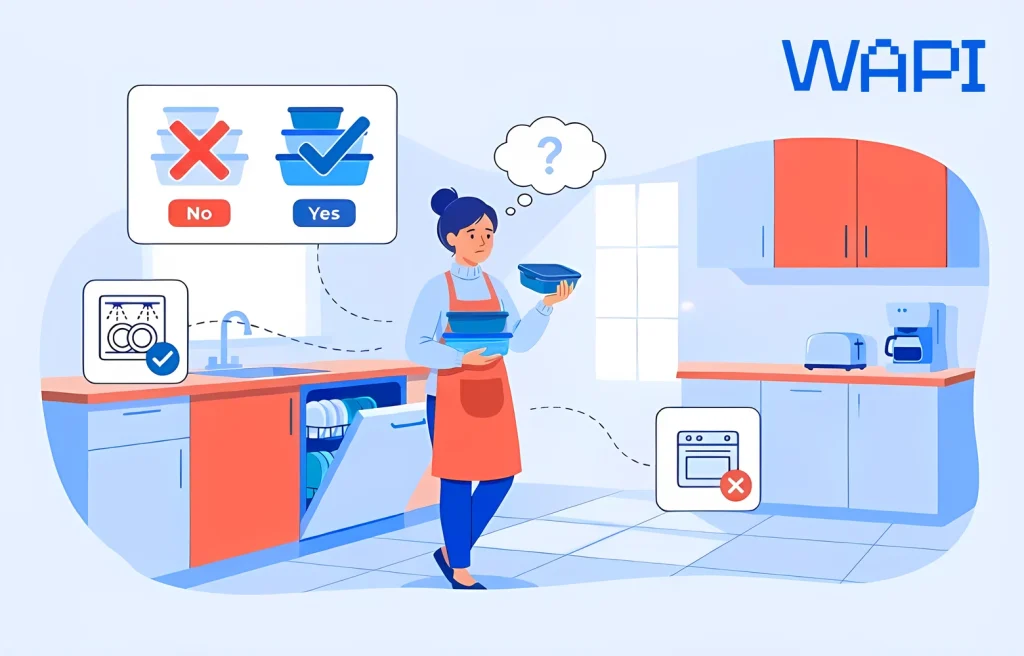
If your listing doesn’t address these questions, potential customers may leave without purchasing. Your PPC optimization efforts can be in vain even when your campaigns successfully drive relevant traffic to the product page.
In these situations, customer feedback can help you improve your listing:
👉 If customers struggle to understand the dimensions, add measurements and visual comparisons to your images.
👉 If they question how a product works, demonstrate its functionality. You can do that with lifestyle images.
👉 If they aren’t sure about compatibility, make that information easier to find in your bullets.
You should also pay attention to recurring objections related to product value, materials, packaging, and ease of use. In these cases, your listing needs better explanations. Or the product itself requires improvement.
4. Use customer preferences for PPC optimization
Let’s go back to the insulated water bottle example. If you go through the customer feedback, you may discover that there are 3 distinct purchasing motivations:
👉 Fitness enthusiasts care most about portability, capacity, and keeping drinks cold during workouts.
👉 Office workers need convenience, leak prevention, and fitting the bottle into their daily routine.
👉 Travelers prioritize durability, insulation, and a design that fits easily into a backpack.
Although all the groups might be interested in the same product, their reasons for purchasing are different.
This information can help you explore different keyword groups, identify relevant competitor products for product targeting, and organize your PPC campaigns around distinct customer needs.
For Amazon sellers:
- Sponsored Products campaigns can target relevant keywords and individual product pages.
- Sponsored Brands can help communicate a broader product proposition.
- Sponsored Display can provide additional audience and product-targeting opportunities where available.
Look for meaningful differences in purchasing intent, and then use them to refine your existing campaigns. In this way, your targeting becomes more strategic: you’re considering not only which shoppers might click your ads, but why your product might appeal to them.
Connect PPC optimization and customer feedback to support marketing performance
Why?
Because Product Testing Campaigns can provide insights into customer desires and needs (the purchase motivations), while PPC optimization helps you analyze how shoppers respond to your ads.
Neither source tells the complete story on its own.
That’s why connecting what customers tell you with what PPC data actually demonstrates may help you build a solid marketing strategy.
Also, if you plan to test this, pay attention to metrics such as:
- Impressions
- Clicks
- CTR (click-through rate)
- CPC (cost per click)
- Conversion rate
- ACoS (Advertising Cost of Sales)
- ROAS (Return on Ad Spend).
For example, a high CTR combined with a low conversion rate could suggest a mismatch between what your PPC ads promise and what shoppers see on your listing. A high ACoS might indicate inefficient targeting or weak conversions.
Make customer insights part of your ongoing PPC optimization strategy
Here’s how to start:
Step 1: Collect feedback through Product Testing Campaigns and identify recurring themes related to product benefits, purchasing motivations, and objections.
Step 2: Then use these findings to improve your listing.
Step 3: Once your listing reflects these insights, review your PPC campaigns and identify opportunities to refine keyword targeting, campaign structure, and advertising messages.
Step 4: Monitor the results and compare them with your previous performance to understand whether your changes are making a difference.
Step 5: From there, repeat the process as you gather new information for PPC optimization.
This creates an ongoing optimization cycle because shopper preferences and competition can change over time.
So gathering insights and applying them should become part of your long-term business strategy.
Because when you understand your customers better, you can make smarter decisions about where to invest your advertising budget and how to turn more relevant traffic into sales.
If you want to put this strategy to work for your brand without doing the heavy lifting, intelliRANK’s team can handle it for you.
About authors:
Marcel Marculescu and Larisa Herbai’s team of Amazon experts combines Product Testing Campaigns with Amazon PPC optimization and management to help sellers grow their businesses and make better advertising decisions.
Keep in touch with WAPI!
Get free ecommerce tips, news, webinars and other stuff.
 Community